
How FTP’s Mario Rocha Keeps It Moving
By Matthew Becerra
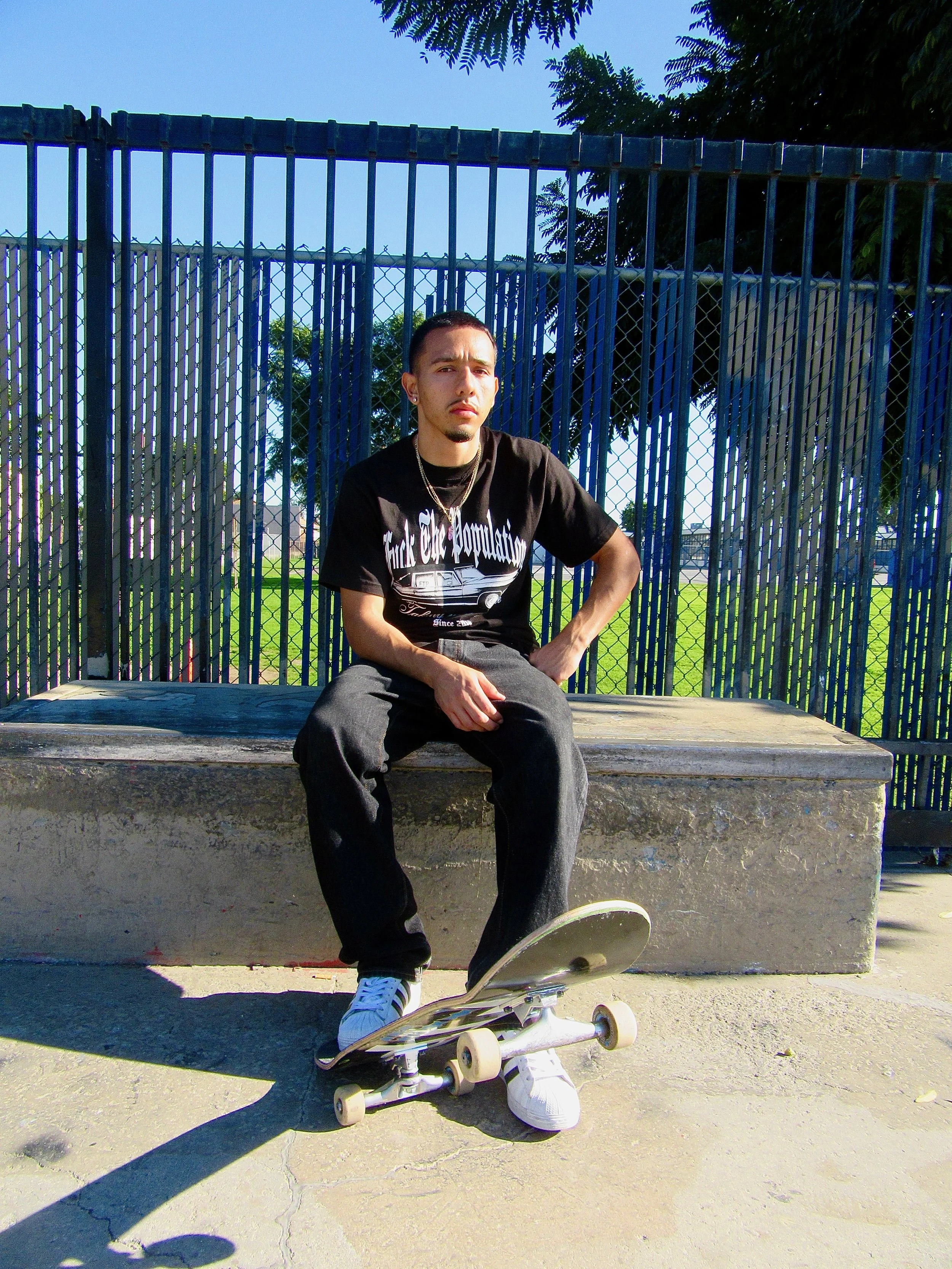
Image courtesy of Rocha
Somewhere between a late workout and long skate session, Mario Rocha still finds himself replaying moments that don’t quite feel real.
“I don’t even think it hits me until late at night,” Rocha said. “Whenever I’m feeling kind of doubtful about something, I think back like, damn, I’m really skating with my favorite skater.”
That thought alone would’ve felt impossible a few years ago. Rocha’s path into skateboarding was shaped by interruptions, redirections and a series of moments where the future was unknown for him before opening back up again.
Rocha first stepped on a skateboard at 7 years old, but skating didn’t immediately take over his life. For years, it shared space with basketball, which he took seriously throughout his childhood and into high school.
That balance ended abruptly during his sophomore year of high school. Rocha was arrested in connection to a fight at a park, an incident he maintains he wasn’t even present for and spent two months in juvenile detention.
“I straight up didn’t do any of this,” Rocha said. “But the way it works in the juvenile system, if it’s a group thing, either everybody’s guilty or everybody’s innocent.”
When he got out, basketball was no longer an option. Trust with coaches disappeared, and the noise around the situation drowned out anything Rocha tried to say for himself. What once felt like a clear future suddenly wasn’t.
“So I just focused on skating after that,” Rocha said.
Skating shifted from something he loved to something he relied on. Rocha spent the rest of high school trying to get better, skating different parks, filming when possible, posting clips wherever he could.
Still, breaking through felt distant. Social media hadn’t fully connected scenes yet, and Rocha didn’t have a direct way into the industry.
That changed in 2018.
During his senior year, Antwuan Dixon, Rocha’s favorite skater moved into the area. Rocha had modeled his style after Dixon’s skating for years, when Dixon showed up at the local park one afternoon, Rocha didn’t hesitate.
“I just went and did my thing,” Rocha said. “He noticed it right off the bat.”
What Rocha expected to be a brief exchange turned into hours of conversation. The two talked skating, life and everything surrounding it. Dixon invited Rocha to work out with him, then skate afterward. Soon after, Dixon began giving Rocha boards from his company at the time, Dog Skateboards.
“That was my first pro skater acknowledgment,” Rocha said. “It was my favorite skater. That’s when I realized maybe I could actually do this.”
The connection didn’t fade when circumstances shifted. As teams changed and Dixon dealt with his own setbacks, Rocha kept skating, often showing up with boards tied to Dixon’s name. Other riders noticed. Conversations turned into sessions. Sessions turned into relationships.
Eventually, those relationships led Rocha to FTP.
Rocha describes joining FTP as natural, closer to skating with friends than joining a brand. Despite FTP’s reputation in streetwear, the skate side operates with its own rhythm, grounded in trust and shared time on the board.
“It feels like I’m just skating with my friends,” Rocha said. “Everybody on the team messes with each other heavy.”
That sense of belonging carries extra weight when Rocha considers who he’s skating alongside now.
“It feels like a dream come true,” Rocha said.
For now, Rocha is focused on finishing his part, a project nearly two years in the making and slowed by injuries that tested him, now he’s back skating, chasing final clips and trying to make each one matter.
