
How Jair Humphrey Built a skate brand From Trinidad
By Matthew Becerra
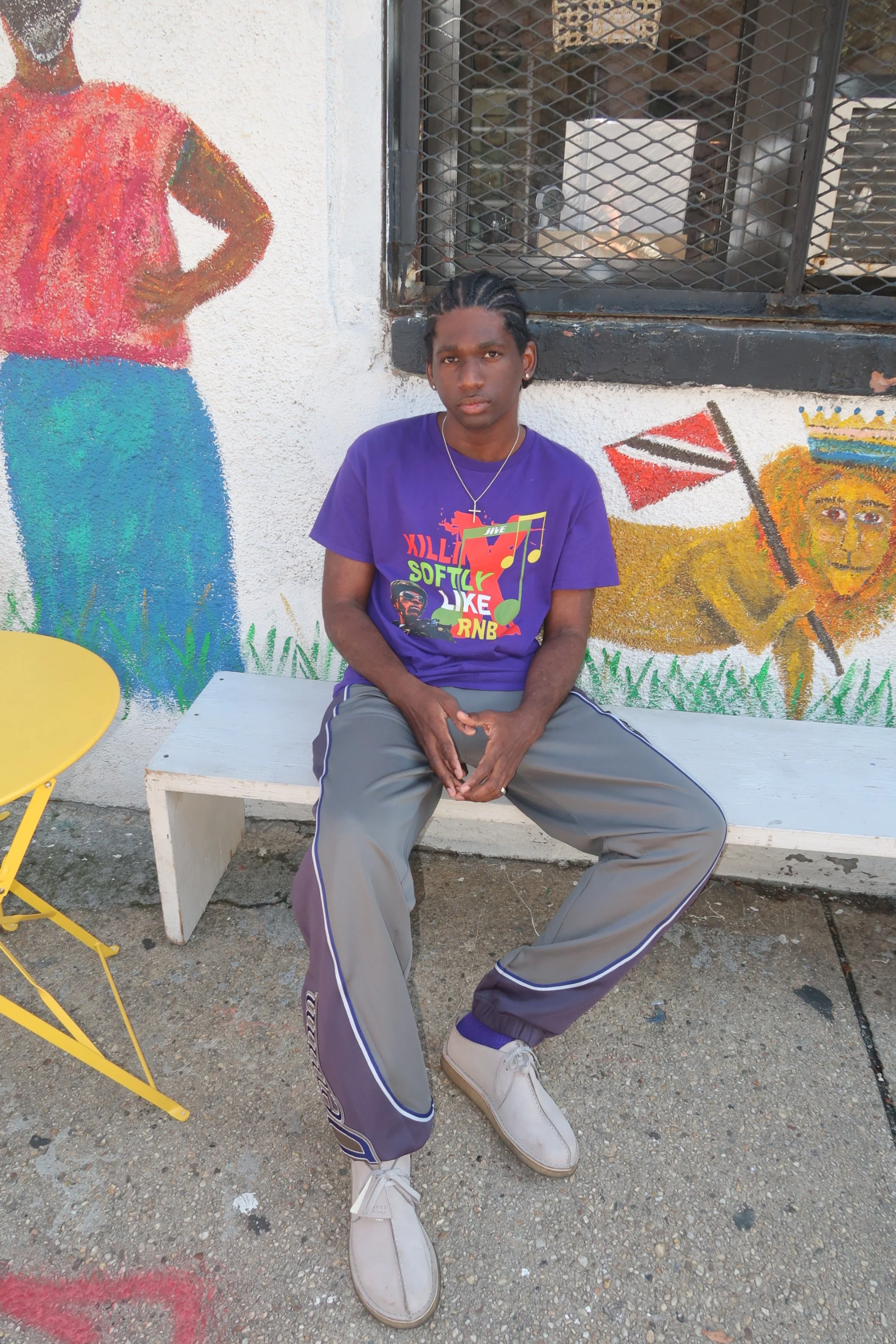
Image Courtesy of Humphrey
Jair Humphrey still thinks about how unlikely all of this felt at the beginning. Before Jive was a shoe and clothing brand carried by shops internationally, skateboarding itself barely existed where he was from. Growing up in Trinidad, there were no skateparks, no real industry and no clear path forward. There were just a handful of skaters like friend Kwesi Browne, cracked pavement, and the feeling that if something was going to happen, he would have to make it happen himself.
Humphrey officially started Jive in October 2015, but the mindset behind it had been forming years earlier. Fresh out of high school, he began experimenting with design through a small collective, teaching himself how to make graphics using free trial software because he didn’t even have access to Photoshop at the time.
“There was no skate scene infrastructure where I was,” Humphrey said. “No skate shops, no parks, nothing like that. If you wanted to do something, you kind of had to build it from scratch.”
That reality shaped how Jive developed. With limited local support, Humphrey looked outward, reaching out to brands online simply explaining who he was and where he was from. To his surprise, people like Nicky Diamonds responded.
Still, Trinidad wasn’t a place where a brand like Jive could realistically grow. That became clearer when Humphrey moved to Toronto to study fashion management.
Printing was easier. Resources were closer. The ideas he’d been sitting on finally had room to breathe.
The brand’s first real retail moment came quietly in early 2020, when Jive was picked up on consignment in Brooklyn. It wasn’t a huge rollout, and the pandemic quickly complicated things, but it mattered.
That confidence carried into Jive’s biggest leap in 2021, Humphrey decided to move into footwear, a category most independent skate brands avoid entirely. Shoes meant higher costs, more risk and more things that could go wrong, Humphrey saw it as an opportunity to separate Jive from the oversaturated world of graphic-driven apparel.
“I didn’t want it to just be another T-shirt brand,” he said. “Shoes felt like a way to really define what Jive was.”
Working with a manufacturer in South America, Humphrey released Jive’s first shoe through pre-orders, and sold more than twice his goal. At the same time, the process exposed how unforgiving footwear logistics could be. International shipping costs, heavy boxes and slim margins meant he barely broke even.
Jive’s reach eventually extended even further. Humphrey connected with Nasu Yoso Ten, a skate boutique in Osaka, Japan that rarely stocked shoes at all. Humphrey handled everything remotely, from window decals to packaging, treating the moment as both a release and a statement.
More recently, Humphrey has expanded his creative practice beyond Jive, exhibiting photography and mixed-media work in Toronto that explores movement, migration and the historical connection between Trinidad and Venezuela. It’s a continuation of the same instinct that led him to start Jive in the first place, using limited access as motivation rather than an excuse.
